Flower Sea Turtle Embroidery Review
A Whimsical Touch for Your Embroidery Projects
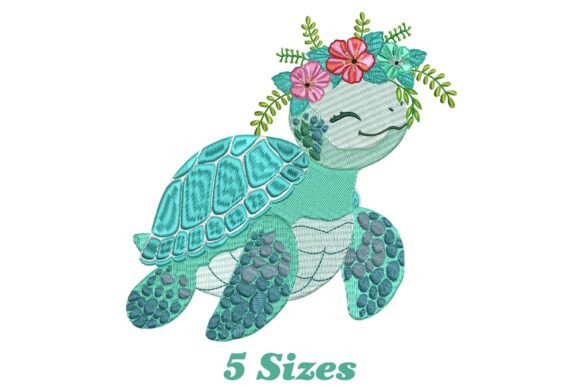
At first glance, the Flower Sea Turtle embroidery design feels like a gentle invitation to bring a touch of nature and charm into your handmade creations. The combination of the sea turtle and blooming flowers creates a whimsical yet balanced aesthetic that’s both playful and serene. This design has an organic flow that suggests movement, making it ideal for projects that need a soft, story-like visual element.
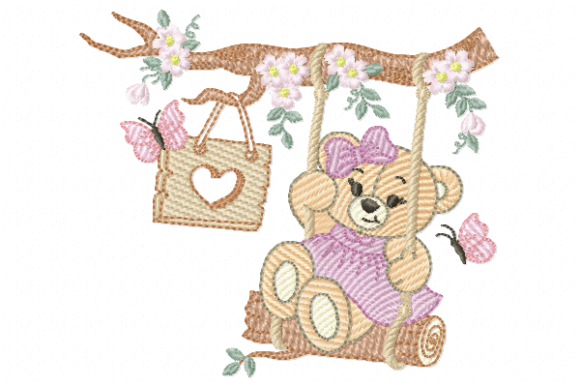
The layout is well thought out—neither too cluttered nor too sparse. The turtle is central, with delicate flower accents around it that don’t overpower the main subject. It’s a perfect example of how small details can elevate a design from simple to special. I can already imagine this on a baby onesie or a cozy towel, where the charm would shine through without being overwhelming.
Real-Life Application: Custom Tote Bag Design
Let’s say you’re preparing a custom embroidered tote bag for a boutique line. You want something that stands out but still feels approachable. The Flower Sea Turtle fits perfectly here. Its size and detail level make it suitable for medium to large hoop sizes, and its theme aligns well with eco-friendly or nature-inspired branding.
When stitched onto a canvas tote, the design maintains its clarity and softness. The contrast between the turtle and the floral elements helps it pop against neutral or pastel backgrounds. If you were to use it on darker fabrics, ensuring the thread colors are vibrant enough to stand out becomes essential. A good stabilizer will also help keep the stitches crisp, especially in areas with dense fill stitches.
This design works well as a standalone feature or part of a larger motif. For instance, pairing it with subtle leaf patterns or waves could create a cohesive theme for a collection of home decor items or personalized gifts.
Where to Use with Caution
While the Flower Sea Turtle is versatile, there are some scenarios where extra care is needed. On smaller hoop sizes, the fine details of the flowers may get lost or require more precise stitching. For stretchy fabrics like knits, using a proper stabilizer is crucial to avoid distortion during the embroidery process.
If you're working with thin or textured fabrics, testing the design on scrap fabric first is a must. Dense stitch areas, such as the turtle's shell or the flower centers, might cause puckering unless the right stabilizer and tension settings are used. Additionally, when placing this design on curved surfaces like caps or hats, adjusting the layout slightly to follow the curve will ensure it looks natural and not forced.
For products that undergo frequent washing, like baby clothes or kitchen towels, selecting durable thread colors and ensuring the embroidery doesn’t fray over time will be important. Always check the design’s stitch density and thread count before finalizing your project.
Visual Appeal and Customer Engagement
The Flower Sea Turtle adds a unique visual appeal that can enhance the value of your finished product. Whether it's a personalized gift or a commercial item, this design brings a sense of quality and care that customers notice. It’s especially effective for handmade products where attention to detail matters most.
For Etsy sellers or craft fair participants, this design can be a standout piece in your collection. Its versatility allows it to fit into various niches—from baby items to home decor—making it a valuable asset for any creative entrepreneur. When paired with the right branding and packaging, it can significantly boost buyer engagement and brand recognition.
Its ability to work across different mediums, like sweatshirts, pillow covers, or even digital embroidery files, makes it a great choice for those who offer downloadable design assets or printable mockups. Just be sure to confirm licensing terms before selling any finished products or digital versions.
Practical Embroidery Designer Notes
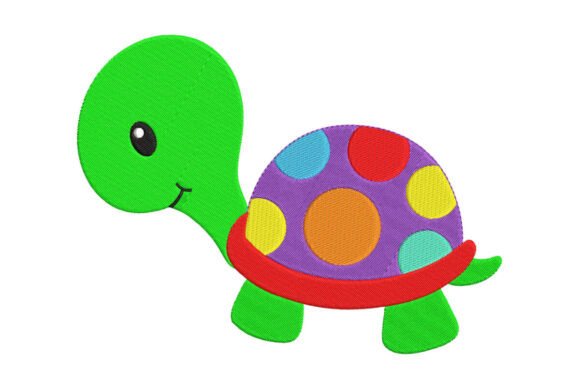
Before diving into a full project, always test the Flower Sea Turtle on scrap fabric. Check the thread color contrast against your intended background, review the stitch density, and confirm the hoop size required. Inspect small details like the turtle’s eyes or the flower petals to ensure they remain clear after stitching.
Testing it in black and white mockups can help determine how the design translates on different fabric types. Compare light and dark backgrounds to see which one complements the design best. Using the right stabilizer is key to achieving a professional finish, especially on thin or stretchy materials.
Finally, consider whether the design works for both personal and commercial use. Confirm the licensing terms if you plan to sell finished items or digital embroidery files. With these considerations in mind, the Flower Sea Turtle can become a go-to design for your next embroidery project, adding charm and character to your handmade creations.