Stranger Things Embroidery Review for Business Merch
First Impressions: Stranger Things as a Professional Embroidery Design
As an experienced embroidery designer, the first thing that stands out about Stranger Things is its playful yet professional aesthetic. The title alone evokes a sense of nostalgia and adventure, making it instantly relatable to a wide audience. This design feels both modern and classic, which makes it highly versatile for small business merch. It has a friendly, bold personality that can easily adapt to different brand identities without losing its charm.
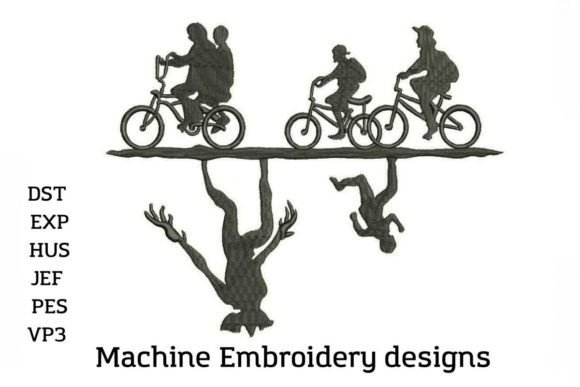
The description highlights the versatility of this machine embroidery design, allowing it to be used on a variety of items like pillows, tote bags, jackets, and framed artwork. This opens up numerous possibilities for creative use in small business merch and branded patches.
Real Business Use: Where Stranger Things Shines
Stranger Things is a strong candidate for embroidered patches, staff uniforms, aprons, caps, tote bags, and work shirts. Its clean lines and recognizable imagery make it ideal for brand identity elements such as chest logo accents, sleeve details, or cap designs. For example, a local café or boutique could use it as a cap embroidery detail to create a cohesive look across their team's uniforms.
This design also works well for tote bag design and product packaging accents. A handmade shop might incorporate it into their apron embroidery or use it as a customer gift item. The playful nature of Stranger Things aligns well with handmade product branding, adding a unique touch to custom apparel.
For event merch or Etsy branding, this design can serve as a stand-out element in printable mockups or design assets. It adds visual interest without overwhelming the overall look of the merchandise.
Cautions and Considerations for Commercial Embroidery
While Stranger Things is a versatile design, there are certain applications where it should be used carefully. For instance, when creating embroidered patches, it’s important to ensure that the design works well at smaller sizes. Testing it in black and white first can help assess how the details hold up in limited color palettes.
On curved surfaces like cap fronts or items with high stitch density, adjustments may be necessary to maintain clarity and avoid distortion. Thread colors should be chosen with care to ensure good contrast against the fabric background. Additionally, stabilizer use and hoop size should be considered based on the fabric texture and the final finished product requirements.
Items that require frequent washing, such as work shirts or staff uniforms, should be tested for durability. Ensuring the design holds up over time is crucial for maintaining brand recognition and customer trust.
Impact on Brand Identity and Customer Engagement
Using Stranger Things in commercial embroidery projects can significantly enhance brand identity. Its distinct visual character helps establish a memorable presence in the market. Whether used on product packaging accents or custom apparel, it contributes to visual consistency and reinforces the brand's personality.
For small business merch, this design adds value by appealing to a broad demographic. It creates a sense of familiarity and connection with customers, especially those who resonate with the nostalgic and adventurous themes of Friends and pop culture references.
By incorporating Stranger Things into craft business assets, businesses can elevate their handmade presentation and attract more attention from buyers. It also encourages buyer engagement through unique and eye-catching digital embroidery files.
Practical Embroidery Designer Notes
Before using Stranger Things for commercial production, it’s essential to take several steps to ensure quality and alignment with your brand:
- Test it in black and white first to see how the design translates in limited color schemes.
- Check if it works at small patch size to confirm its scalability for embroidered patches.
- Review thread color contrast to ensure visibility on different fabrics.
- Inspect spacing and adjust if needed for better visual balance.
- Confirm hoop size based on the complexity of the design.
- Test on real fabric before full-scale production to check for any issues.
- Use proper stabilizer to prevent puckering or distortion.
- Create a printable mockup for client approval to ensure alignment with expectations.
- Compare it beside other design assets to maintain a cohesive look across all branding materials.
- Confirm commercial licensing before business use to avoid legal complications.
These steps will help ensure that the digital embroidery file is used effectively and meets the standards required for small business merch and custom apparel production.